Start with the purpose
INCI is a common naming system for cosmetic ingredients. It makes many ingredient names recognizable across manufacturers. The European Commission’s CosIng database helps identify names and cosmetic functions.
Begin with three questions: where will you use the product, is it rinsed away, and are there ingredients you need to avoid? Then review the complete list rather than only the oil or mineral emphasized on the front.
Names you may recognize
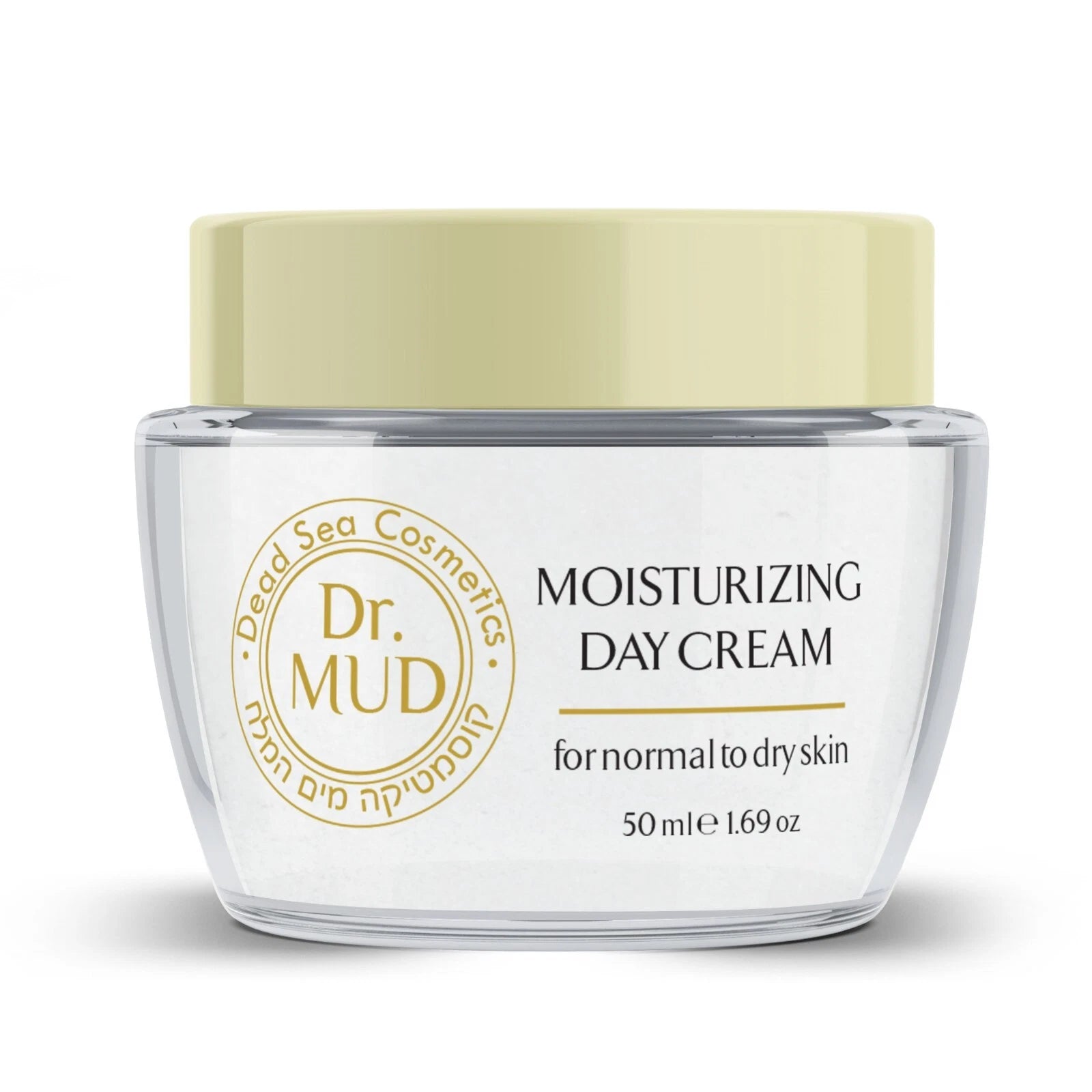
These examples help you read Dr. MUD declarations. They identify ingredient groups rather than promising a result from a complete formula.
| Name | What it identifies |
|---|---|
| Aqua / Water | Water in the formula base |
| Glycerin | A moisture-binding humectant |
| Sodium Hyaluronate | A salt of hyaluronic acid |
| Maris Sal / Maris Aqua | Sea salt / sea water |
| Silt / Limus | Mineral-mud names |
| Tocopheryl Acetate | A vitamin E derivative |
| Parfum / Fragrance | A fragrance composition |
Order is not an exact recipe
EU cosmetics rules generally list ingredients in descending order of their weight when added. Ingredients below 1% may appear in a different order after higher-concentration ingredients. You cannot calculate an exact percentage from position alone.
A familiar ingredient name also does not establish that two creams will perform identically. The entire blend creates the texture and feel. When a reliable product description does not state a percentage, leave that percentage unknown.
Similar names can mean different things
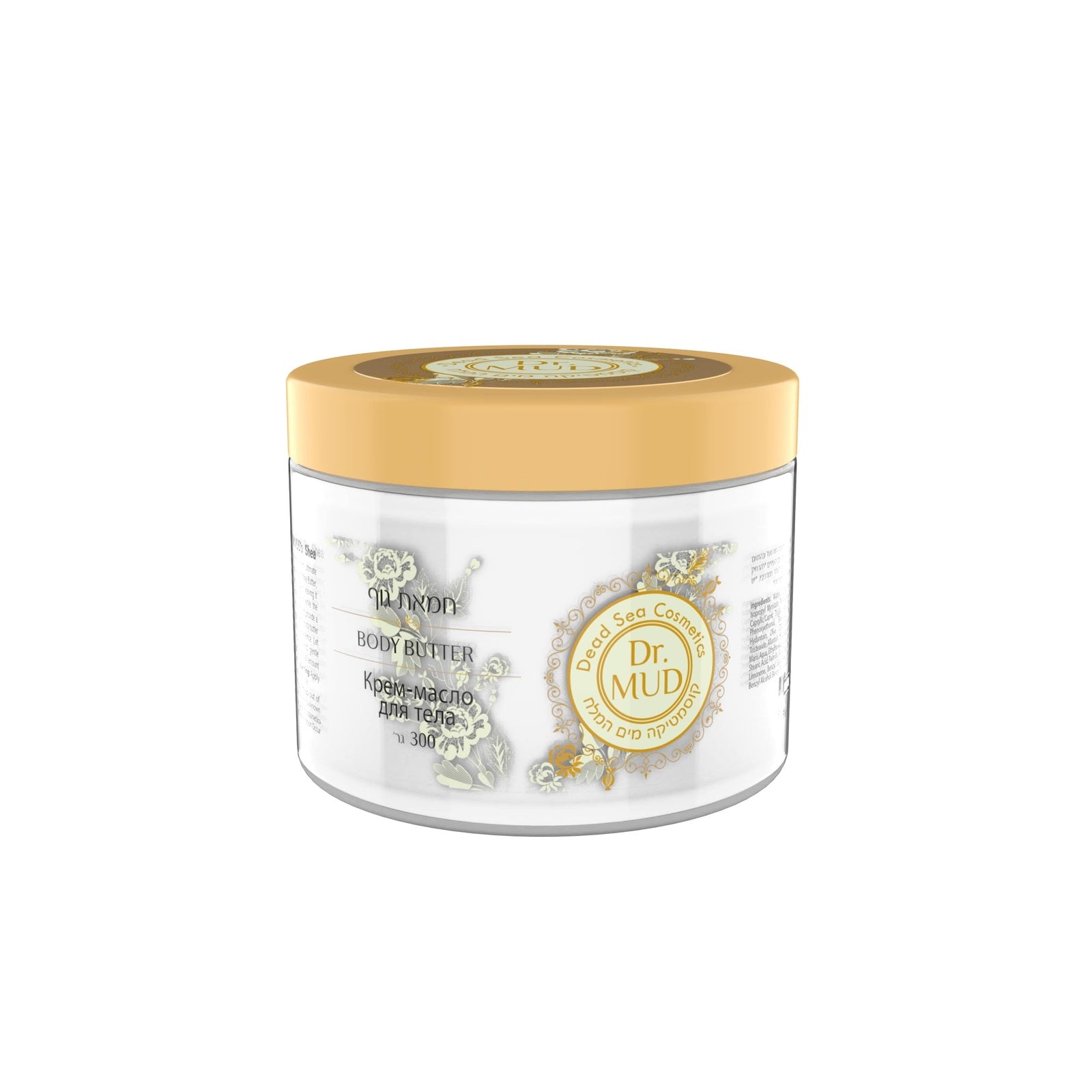
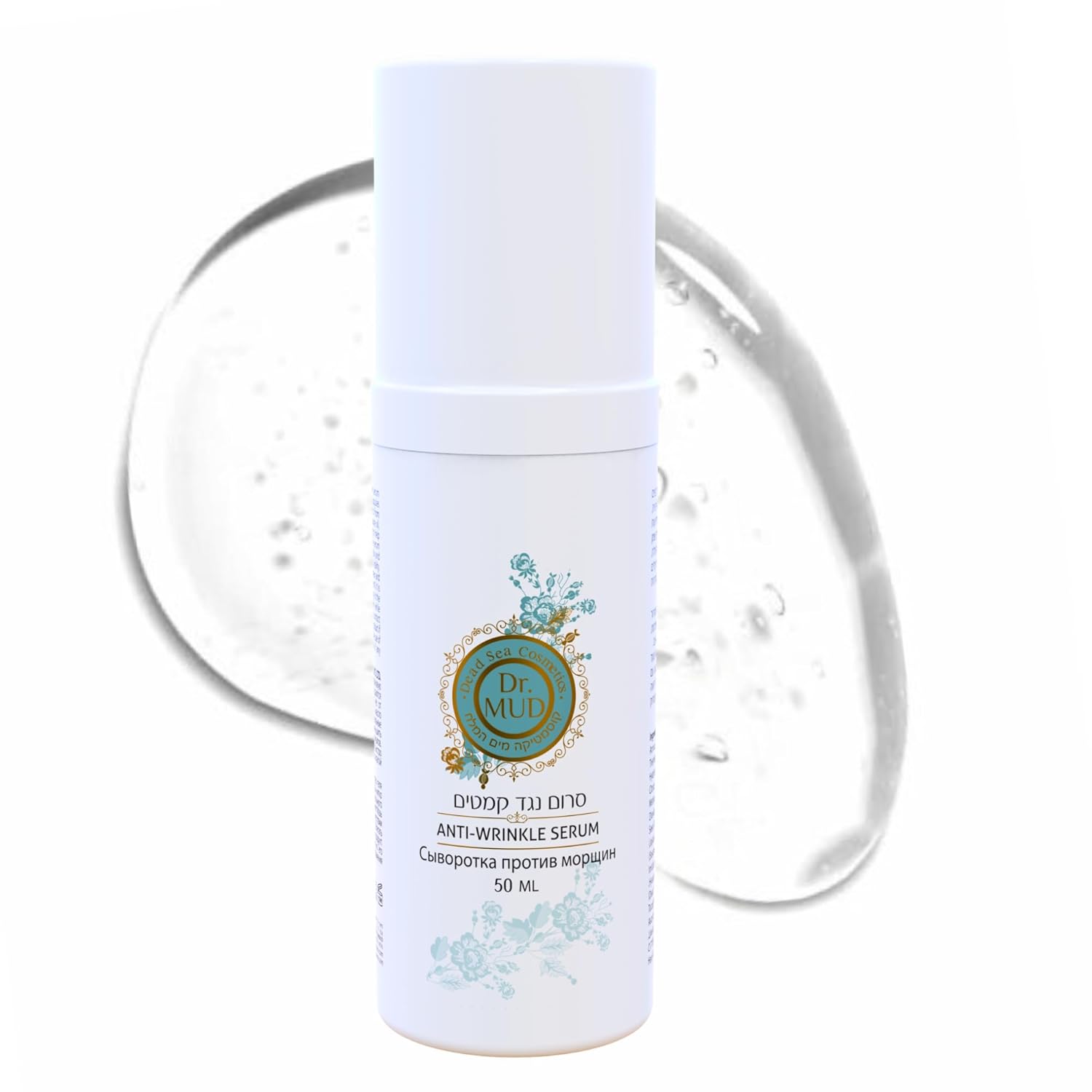
Retinyl Palmitate in Dr. MUD’s serum and body butter is a vitamin A derivative. It should not automatically be described as pure retinol or assigned an unstated retinol percentage.
Likewise, “with aloe” does not mean pure aloe juice. “With plant oils” does not mean a formula contains no mineral oil or preservatives. Understanding these distinctions helps you choose by your own preferences.
Fragrance and a new product
Parfum and individually listed fragrance components matter if you are sensitive to scent ingredients. Read the current package. The AAD describes testing a new product on a small skin area; this does not replace avoiding an ingredient you already know you are allergic to.
If the full current list is unavailable online or different sources disagree, ask the seller for the label. An openly unconfirmed declaration is more useful than a detailed-looking list that belongs to another product.
Compare more than ingredients
Read ingredients together with intended use, size and directions. A soap’s weight in grams cannot be directly compared with a cream’s volume in milliliters. A rinse-off mask and a leave-on moisturizer also belong to different usage contexts.
Continue with the daily face-care routine or the facial-versus-body mask comparison. Product pages provide the corresponding ingredient declarations.